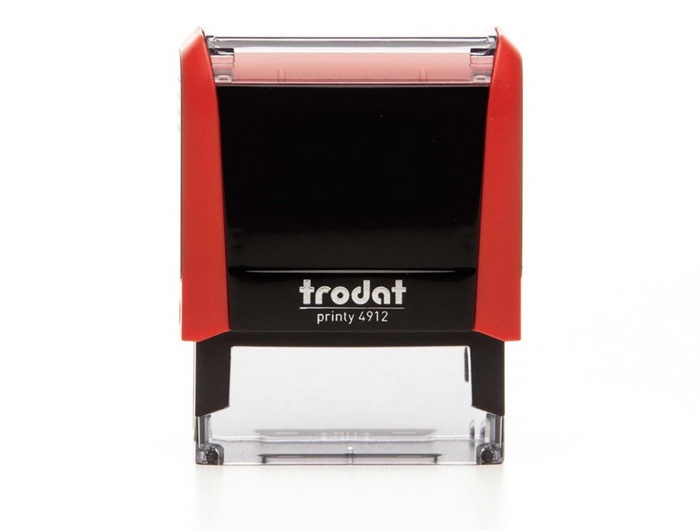
A custom signature rubber stamp is widely used for signing documents quickly and consistently. Many offices rely on a Custom Signature Stamp Self Inking model because it saves time and reduces manual effort. However, the performance of the stamp depends heavily on the type of ink used.
If the ink is not suitable for the surface or document type, the impression may fade, smudge, or bleed through paper. Therefore, choosing the correct ink type is important for clean and long lasting results.

Ink Types that are Best for Custom Signature Rubber Stamps
Water Based Ink
Water based ink is the most common option used in rubber stamps. Most Custom Signature Stamp Self Inking models come pre filled with this type of ink.
This ink works well on regular office paper. It dries quickly and produces a sharp impression. For daily paperwork such as invoices, forms, and internal documents, water based ink is sufficient.
However, it may not perform well on glossy or coated surfaces. It can also fade if exposed to moisture. Therefore, it is best suited for standard paper applications.
If the stamp impression looks light, the ink pad may be drying out. In such cases, refill the pad with the correct water based ink recommended for your stamp model. After refilling, allow a few minutes for the ink to spread evenly before testing it again.
Oil Based Ink
Oil based ink provides a darker and more permanent impression. It is suitable for documents that require long term storage.
This ink resists water better than water based ink. It also adheres well to slightly coated papers. If your signature stamp is used for official contracts or records, oil based ink can provide better durability.
However, drying time is slightly longer. If stamped documents are stacked immediately, smudging may occur. Therefore, allow the ink to dry completely before handling the paper.
Alcohol Based Ink
Alcohol based ink is ideal for non porous surfaces. These include plastic, metal, and glossy materials.
If you use a signature stamp on packaging materials or laminated cards, water based ink may fail. In such cases, alcohol based ink provides better adhesion and clearer impressions.
Keep in mind that not all stamp pads are compatible with alcohol based ink. Always check whether the pad material supports this ink type before refilling.
Archival Ink
For legal or archival purposes, archival ink is a suitable option. It resists fading over time and maintains color stability.
Documents stored for years may lose clarity if ordinary ink is used. Archival ink reduces this risk. It is commonly used for certificates, official records, and signed agreements that require preservation.
Conclusion
Selecting the correct ink type improves the clarity and lifespan of your signature stamp impressions. Water based ink is suitable for general office use. Oil based ink offers stronger permanence. Alcohol based ink works on non porous materials. Archival ink supports long term document storage.
By identifying your document requirements and surface type, you can choose the most suitable ink and avoid common stamping problems.