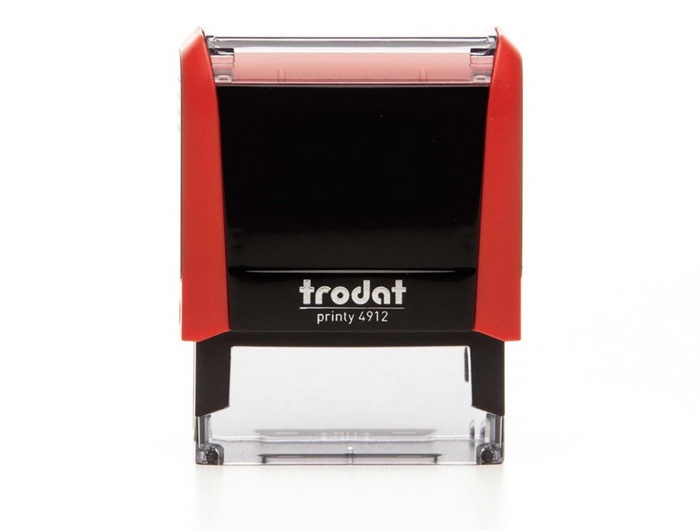
Signature stamps are commonly used in offices to reduce repetitive work and speed up documentation. Instead of signing the same documents multiple times, a stamp can complete the task in seconds. This makes daily operations smoother and reduces delays in paperwork.
In most offices, signature stamps are used with proper control and approval. They are treated as official tools and are often kept securely to avoid misuse. Below are some of the most common everyday applications of signature stamps in office environments.

Everyday Applications of Using Signature Stamps in Offices
Approving Routine Documents
One of the most frequent uses of a signature stamp is for approving routine documents. These may include internal forms, request sheets, and basic approvals that do not require manual signing every time.
Managers and supervisors often deal with a high volume of such paperwork. Using a stamp helps them process documents quickly without affecting workflow. It also maintains consistency in signatures across documents.
This approach is useful in departments like administration, human resources, and operations where approvals are repetitive.
Signing Checks and Financial Papers
Signature stamps are also used in financial processes, especially for signing checks and vouchers. In such cases, offices must follow strict policies to control how the stamp is used.
There is often a discussion about whether a Signature Stamp For Checks Legal is acceptable. In many regions, it is allowed as long as proper authorization and security measures are in place. Businesses usually define internal rules to regulate this usage.
For example, access to the stamp may be limited to specific employees, and usage may be recorded for accountability. This reduces risks while still allowing faster processing of payments.
Handling Bulk Correspondence
Offices that send out large volumes of letters or notices benefit from signature stamps. Instead of signing each letter manually, a stamp can be used to complete the process quickly.
This is common in departments that handle customer communication, billing notices, or official announcements. It helps maintain uniformity in all outgoing documents.
It also reduces physical strain, especially in cases where hundreds of documents need to be signed in a short time.
Processing Contracts and Agreements
In some cases, signature stamps are used for preliminary approvals on contracts and agreements. These may include internal drafts or documents that require initial verification before final signing.
However, for final agreements, many organizations still prefer handwritten signatures. This depends on company policy and the nature of the document.
Using a stamp during early stages helps speed up internal reviews and keeps the process moving without delays.
Managing Delivery and Receipt Acknowledgments
Another practical application is in handling delivery confirmations and receipt acknowledgments. Offices that deal with logistics or inventory often need to sign multiple delivery documents daily.
A signature stamp simplifies this process. It allows staff to confirm receipts quickly while maintaining proper documentation.
This is especially useful in warehouses, supply chain departments, and front desk operations where time is important.
Reducing Repetitive Workload
Repetitive signing can take a significant amount of time during a workday. Signature stamps help reduce this workload and allow employees to focus on more important tasks.
Instead of spending time on manual signing, staff can complete approvals and move on to other responsibilities. This improves overall productivity within the office.
It also helps maintain a steady workflow, especially during busy periods.
Conclusion
Signature stamps play a simple but important role in daily office work. They help save time, reduce repetitive effort, and improve document handling. From approving routine forms to managing financial papers, their applications are wide and practical. With proper control and clear policies, signature stamps can support efficient office operations without compromising accountability.