Managing personal finances is a basic need for everyone. Without proper control, expenses can grow quickly and savings may not improve. Banking tools help you track, plan, and control your money in a simple way. By using these tools correctly, you can build better financial habits and avoid common mistakes.

Ways to Manage Personal Finances Effectively Using Banking Tools
Understand Your Income and Expenses
The first step is to know how much money you earn and how much you spend. Most banking apps provide account summaries that show your transactions clearly. You can check your salary credits, daily expenses, and recurring payments in one place.
Go through your monthly statement and identify spending patterns. Look for areas where money is being used without much value. This step helps you gain control over your financial situation.
Use Mobile Banking for Daily Tracking
Mobile banking apps are useful for real time tracking. Every transaction is recorded instantly. You can open the app and check your balance at any time.
This reduces the chances of overspending. Instead of guessing your available balance, you rely on actual data. Many apps also send alerts for each transaction, which adds another layer of awareness.
Set a Monthly Budget
After understanding your spending habits, create a simple monthly budget. Divide your income into categories such as essentials, savings, and optional expenses.
Banking tools often allow you to set spending limits or track category wise expenses. Stick to your budget as much as possible. If you exceed a limit, adjust your spending in the following days.
Automate Savings
Saving money regularly can be difficult if done manually. Banking tools help by offering automatic transfers. You can set a fixed amount to move from your main account to a savings account every month.
This method builds savings without requiring constant effort. Over time, even small amounts can grow into a useful fund.
Use Bill Payment Features
Late payments can lead to penalties and extra charges. Most banks provide bill payment options within their apps or websites. You can pay electricity, water, credit card, and other bills directly.
You can also schedule automatic payments for recurring bills. This removes the need to remember due dates and helps maintain a good payment record.
Monitor Your Credit and Loans
If you have loans or credit cards, keep track of them through banking tools. Check your outstanding balance, due dates, and interest charges regularly.
Some banks provide credit score tracking as well. Monitoring this information helps you avoid missed payments and manage debt in a better way.
Keep Transactions Organized
Maintaining clear records is important. Use your bank statements as a reference for all transactions. If you issue checks, keep track of them properly.
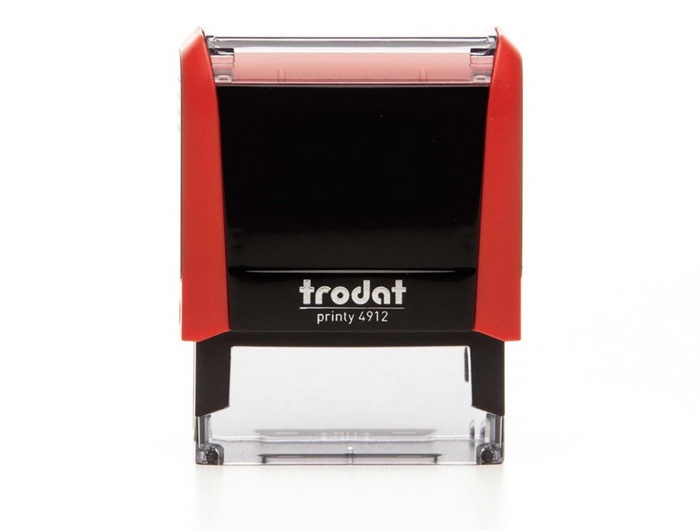
In such cases, tools like a Signature Stamp for Checks Legal can be used for faster processing. However, you must use it carefully and follow proper guidelines to avoid misuse. Keeping records organized helps in future verification and reduces confusion.
Review Your Finances Regularly
Set time every week or month to review your finances. Check your savings progress, expenses, and any unusual transactions.
This habit helps you stay aware of your financial position. If there are issues, you can correct them early instead of letting them grow.
Use Alerts and Notifications
Banking tools offer alerts for low balance, large transactions, and due payments. Activate these features to stay informed.
Notifications act as reminders and reduce the chances of missing important actions. They also help detect unauthorized transactions quickly.
Avoid Unnecessary Charges
Banks may charge fees for certain services such as late payments or minimum balance issues. By monitoring your account regularly, you can avoid these charges.
Always read the terms of your account and stay within the limits set by the bank.
Conclusion
Managing personal finances becomes easier with the right use of banking tools. By tracking your income, setting budgets, automating savings, and reviewing your accounts regularly, you can maintain better control over your money.
These tools are simple to use and widely available. With consistent use, they help build discipline and improve financial stability over time.