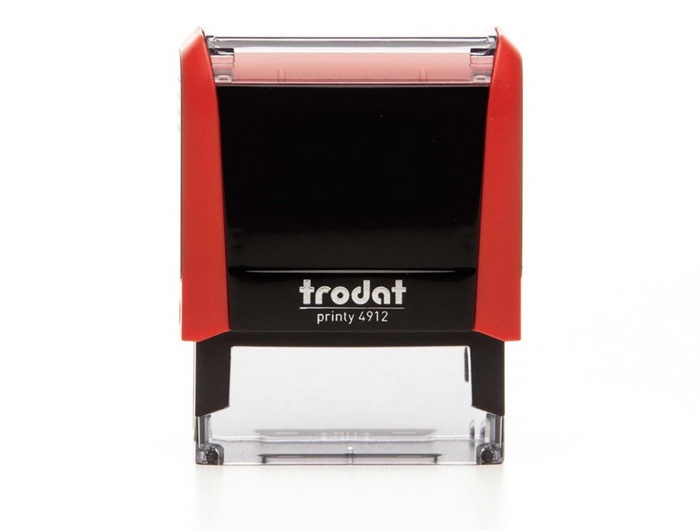
Stamps are commonly used in offices for approvals, signatures, and regular documentation. Many workplaces rely on traditional rubber stamps and separate ink pads, while others have shifted toward self-inking models. For offices that deal with large volumes of paperwork every day, choosing the right type of stamp can make a major difference in efficiency and long-term performance.
One of the options available is a Signature Stamp Self Inking model. But is it the best choice for a fast-paced office environment? Does it provide clear advantages compared to traditional models? We will discuss these questions in detail throughout this article.
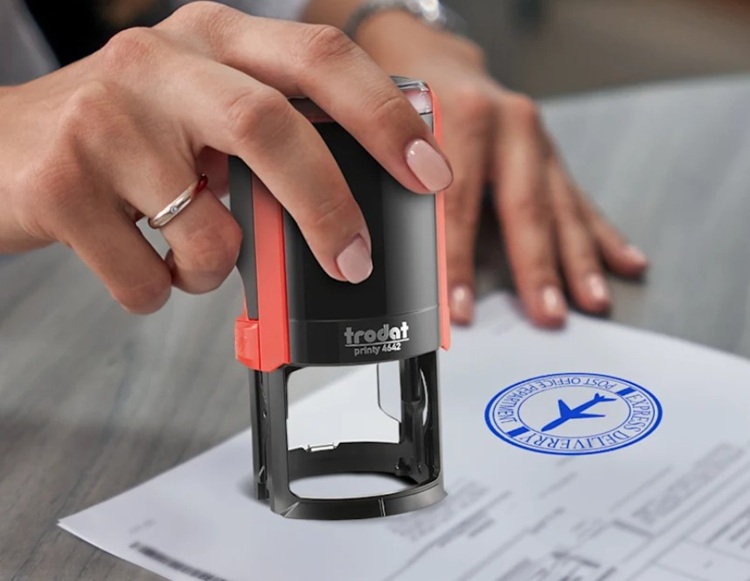
Is a Self-Inking Signature Stamp Worth Considering?
A self-inking stamp can be very useful for offices that handle repetitive stamping tasks throughout the day. Since the ink pad is built into the stamping unit, you do not have to press the stamp onto a separate ink pad each time. This setup helps in achieving consistent impressions and reduces the effort involved in daily tasks. For offices that cannot afford interruptions or inconsistent results, such a model can offer better performance.
Let us look into the main advantages of using a self-inking stamp and understand how it can support high-volume operations.
Benefits of a Self-Inking Signature Stamp
- Faster Stamping Process
• Consistent Ink Distribution
• Reduced Mess and Ink Spillage
• Longer Ink Pad Life
• Clear and Crisp Impressions
• Less Frequent Maintenance
Faster Stamping Process
A self-inking stamp is designed to re-ink automatically after every impression. This function saves valuable time, especially in offices that require hundreds of documents to be stamped every day. Traditional rubber stamps require workers to dip into an ink pad continuously, which slows down the process and increases hand fatigue.
With a self-inking stamp, the user simply presses down and moves to the next document. This quicker workflow improves productivity and keeps paperwork moving smoothly without unnecessary delays.
Consistent Ink Distribution
One of the main requirements in professional documents is a neat and readable impression. Self-inking stamps provide steady ink flow across every press. Since the ink pad is placed internally and touches the stamp surface after every use, the impression does not fade unevenly.
In comparison, a traditional ink pad can become dry in patches, which causes unclear prints. Self-inking models reduce this issue, especially in offices where identical results are required throughout the day. This consistency helps maintain document appearance and reduces the need for restamping.
Reduced Mess and Ink Spillage
Using a separate ink pad can lead to accidental stains on paperwork, hands, or nearby surfaces. In high-volume settings, these small issues can disrupt the workflow and cause unnecessary clean-up.
A self-inking stamp avoids these problems since the ink is stored inside a secured compartment. The chance of spilling or smudging is very low, which keeps the workspace clean and prevents damage to important files. This clean application makes it suitable for administrative departments, banks, and corporate offices.
Longer Ink Pad Life
Self-inking stamps come with ink pads that are built to last through thousands of impressions. Since the ink is released evenly and only when activated, the pad does not dry out easily. In contrast, an open ink pad is exposed to air and dries faster, requiring more frequent replacement.
Some self-inking models also allow the ink pad to be replaced when the ink finally runs out. This feature adds to the overall durability and reduces long-term expenses for high-usage offices.
Clear and Crisp Impressions
Documents that are signed or approved through stamps must remain professional and readable. A faded or blotchy stamp can create confusion and may require repetition. Self-inking stamps provide sharp impressions that are suitable for official records, legal paperwork, and internal approvals.
The internal mechanism applies steady pressure during every press, which avoids smears or uneven marks. As a result, the documents maintain a clean presentation throughout large-scale stamping activities.
Less Frequent Maintenance
Traditional stamps require regular re-inking, cleaning, and proper storage. If handled improperly, the rubber surface can warp or absorb excess ink. Self-inking units require much less handling because the internal components protect the stamp surface. Occasional cleaning may be needed, but it is minimal compared to a standard rubber stamp.
This reduced maintenance is helpful for busy offices where employees may not have time to manage frequent stamp care.
Is It the Best Option for High-Volume Use?
A Signature Stamp Self Inking model can be a strong choice for offices that prioritize speed, clarity, and long service life. Since the mechanism supports continuous use without interruptions, it is highly suitable for departments such as finance, administration, logistics, and government operations. For workplaces that process files throughout the day, the time saved per document adds up significantly.
However, offices that require decorative or highly customized impressions may consider other types of stamps. Self-inking units are mainly designed for repeated professional use, such as signatures, seals, and routine authorization marks.
Conclusion
Self-inking signature stamps are highly practical for high-volume office environments. They offer faster stamping, consistent impressions, reduced mess, and longer ink life compared to traditional rubber stamps. Since the unit re-inks internally after every press, employees can complete tasks more efficiently without slowing down due to frequent re-inking or smudged documents.
Although traditional stamps may still be preferred for occasional use or specialized designs, offices that rely heavily on daily documentation can benefit greatly from switching to a self-inking model. A clean workspace, steady performance, and long-lasting components make it a reliable option for modern offices. If your workplace manages large stacks of paperwork every day, choosing a self-inking stamp can support smoother operations and help maintain professional-looking documents over time.