Safety is one of the primary factors people look for when choosing a home. With the rapid residential development in Porur, modern apartment communities are expected to provide safety systems that protect residents, property, and common areas. Safety features in apartments are no longer optional additions but essential components that support day to day living.
This article discusses the key safety features that modern Apartments in Porur should include and explains how each feature contributes to a secure living environment.
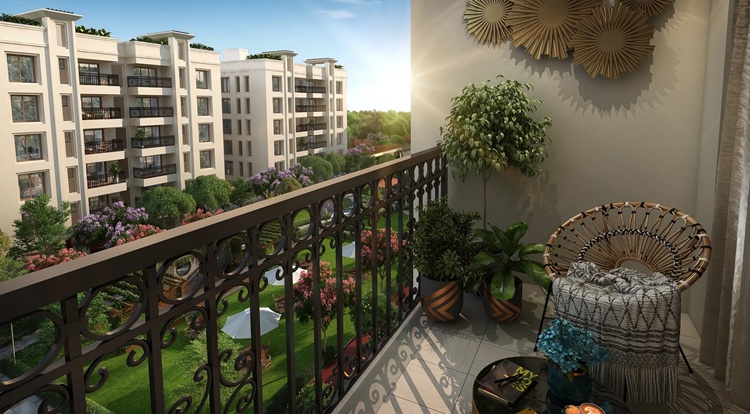
Gated Entry and Controlled Access Points
A gated entrance is the first layer of safety in any apartment complex. It restricts unauthorized entry and allows better monitoring of people entering and exiting the premises. Modern apartments usually include controlled access points with security personnel or automated access systems.
Access cards, keypads, or mobile based entry systems help track movement and reduce the risk of unwanted access. Visitor entry should also be monitored through a register or digital logging system. This setup helps residents feel more secure within the community.
CCTV Surveillance in Common Areas
Closed circuit cameras play a major role in monitoring apartment premises. Cameras should be installed at entry points, parking areas, corridors, elevators, and other shared spaces. Continuous surveillance helps identify suspicious activity and supports quick action if an issue arises.
CCTV systems should record footage for a reasonable period so that incidents can be reviewed if needed. Clear signage indicating camera coverage also acts as a deterrent and promotes responsible behavior within the premises.
Trained Security Personnel
Having trained security staff adds a human layer of safety that technology alone cannot provide. Security personnel are responsible for monitoring entry points, patrolling common areas, and responding to emergencies.
They should be trained to handle situations such as unauthorized access, disputes, and medical emergencies. A visible security presence also increases confidence among residents and discourages misbehavior.
Fire Safety Systems and Equipment
Fire safety is a critical requirement for all residential buildings. Modern apartments must include fire detection and suppression systems that meet safety standards. Smoke detectors, fire alarms, and fire extinguishers should be placed across floors and common areas.
Fire hydrants and sprinkler systems are also important, especially in high rise buildings. Clear fire exit signage and staircases free from obstruction help residents evacuate safely during emergencies. Regular fire drills and equipment checks improve readiness.
Emergency Power Backup
Power outages can affect safety systems such as elevators, lighting, and security equipment. Apartments should have backup power sources for common areas, lifts, and emergency lighting.
Backup power helps residents move safely during outages and keeps security systems active. Emergency lighting in staircases and corridors prevents accidents and supports evacuation if required.
Secure Parking Areas
Parking spaces must be planned with safety in mind. Adequate lighting in parking areas reduces the risk of theft and accidents. CCTV coverage in parking zones helps monitor vehicle movement.
Access to parking areas should be restricted to residents and authorized users. Clear markings, speed limits, and designated pedestrian walkways help avoid collisions and confusion.
Child Safety Features
Apartments that accommodate families should include features that protect children. Play areas must be fenced and located away from traffic movement. Railings on balconies and staircases should be designed to prevent accidental falls.
Safety locks in elevators and restricted access to rooftops and utility areas reduce risks for children. These measures help parents feel more comfortable within the residential environment.
Intercom and Communication Systems
An intercom system allows residents to communicate with security staff and visitors before granting access. This feature reduces unwanted entry and improves coordination during emergencies.
Intercoms connected to individual apartments and security desks provide quick communication in case of medical issues, maintenance problems, or safety concerns.
Structural Safety and Building Quality
Structural stability is a foundational aspect of apartment safety. Buildings should follow approved construction standards and use quality materials. Features such as anti skid flooring in common areas and proper drainage reduce accident risks.
Regular inspection of lifts, electrical systems, and water supply lines helps identify issues before they escalate. Maintenance schedules play an important role in keeping the building safe over time.
Disaster Preparedness Measures
Apartments in Porur should consider regional risks such as heavy rainfall or seismic activity. Emergency response plans should be displayed in common areas so residents know what actions to take during natural events.
Clear assembly points, emergency contact numbers, and evacuation routes help residents respond calmly during unexpected situations. Basic preparedness improves overall safety awareness within the community.
Conclusion
Modern Apartments in Porur must include safety features that address physical security, fire protection, emergency response, and daily risk prevention. These systems work together to create a living environment where residents feel protected and supported.
By focusing on controlled access, surveillance, trained personnel, and emergency readiness, apartment communities can reduce risks and promote safer living. Safety planning is an ongoing process, and regular maintenance and awareness play a key role in keeping residential spaces secure for everyone.