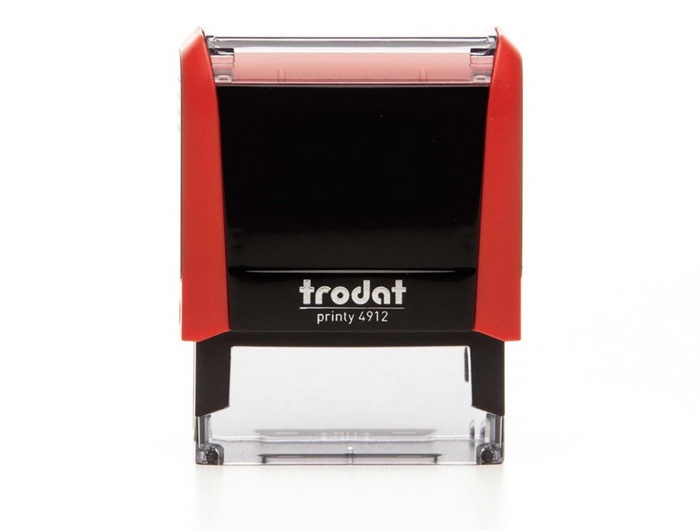
A self inking signature stamp is a practical tool used for signing documents quickly and consistently. It is commonly used in offices, banks, and small businesses where repeated signatures are required on a daily basis. Choosing the right stamp depends on how and where it will be used. If the selection is wrong, it can lead to unclear impressions, frequent replacements, or compliance issues. This guide explains the key factors to consider before making a purchase.

Choosing the Best Self Inking Signature Stamp for Your Needs
Purpose of Using a Signature Stamp
The first step is identifying why the stamp is required. Some users need it for internal paperwork, while others use it for external documents such as invoices, delivery notes, or authorization forms. In certain cases, people also ask whether a Signature Stamp Legal For Checks applies to their situation. Laws vary by country and bank policy, so checking local guidelines is necessary before using a stamp for financial instruments.
Understanding the usage helps determine the size, ink type, and durability required.
Quality of the Signature Impression
A clear impression is essential for professional documents. The stamp should reproduce the signature accurately without smudging or fading. Poor quality stamps often lose detail after repeated use. Checking sample impressions or product reviews can help identify models that produce consistent results.
The rubber plate should be firm and evenly cut. If the edges are rough or shallow, the output may look unclear on paper.
Ink Type and Refill Options
Self inking stamps come with built in ink pads. The ink should dry quickly and work well on standard paper. Oil based inks usually last longer and provide sharper impressions than water based ones.
It is also important to check whether the ink pad can be replaced or refilled. A stamp with refill options reduces long term costs and avoids the need for frequent replacements.
Size and Layout of the Stamp
Signature stamps are available in different sizes. A stamp that is too small may make the signature unreadable, while an oversized stamp can look awkward on documents. The size should match the space available on the forms you use regularly.
Some stamps allow additional text such as designation or date. If extra details are needed, confirm that the layout does not overcrowd the signature area.
Build Quality and Usage Volume
Usage frequency plays a major role in selection. For occasional use, a basic model may be sufficient. For daily or high volume use, the outer casing and internal spring mechanism should be strong enough to handle repeated pressing.
A weak mechanism can lead to uneven pressure, causing partial impressions. Checking the manufacturer specifications for recommended usage helps avoid this issue.
Comfort and Handling
A self inking stamp should be comfortable to hold and operate. A smooth pressing action reduces hand strain during repeated use. Flat or awkward handles can cause discomfort over time, especially in office environments where hundreds of documents are stamped daily.
Testing the grip or checking user feedback is helpful before finalizing a model.
Legal and Compliance Considerations
Before using a signature stamp for official or financial documents, verify its acceptance. Many institutions allow stamps for internal approvals but may restrict their use for contracts or checks. The question of Signature Stamp Legal For Checks should be clarified with the bank or legal advisor to avoid future disputes.
Using the stamp within permitted limits prevents compliance issues.
Maintenance and Lifespan
Regular cleaning keeps the stamp functioning properly. Dust buildup can affect impression quality. Choosing a stamp that allows easy access to the ink pad simplifies maintenance.
A well maintained stamp lasts longer and delivers consistent results over time.
Final Thoughts
Choosing the right self inking signature stamp depends on usage purpose, impression quality, ink type, size, and legal acceptance. By reviewing these factors carefully, users can select a stamp that fits their daily requirements and avoids unnecessary replacements or usage problems.