
Massage therapy is often chosen to relieve discomfort, reduce stress, or improve physical comfort. While the experience feels calming during the session, several changes continue to take place in the body afterward. These responses are natural and occur as the body adjusts to the physical stimulation it has received. Understanding these effects can help you know what to expect once the session ends.
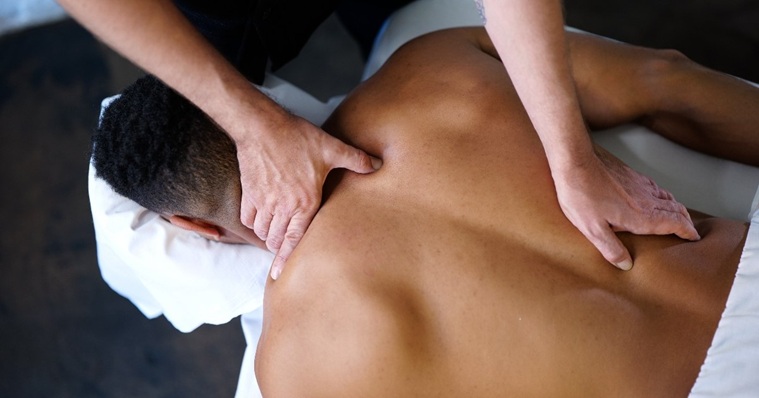
What Happens to Your Body After a Massage Therapy Session?
Muscle Response After Massage
During a massage therapy session, pressure is applied to muscles and soft tissue. This pressure helps loosen tight areas and improves movement. After the session, muscles often feel lighter and less restricted. Some people may experience mild soreness, similar to what happens after light physical activity. This is a normal response and usually fades within a short time.
The improved muscle condition can help reduce stiffness and support better posture. Regular sessions, including those offered through McAllen Massage services, may help maintain this relaxed muscle state for longer periods.
Changes in Blood Circulation
Massage therapy encourages better blood flow by stimulating the soft tissues. After the session, circulation often remains improved for some time. This helps deliver oxygen and nutrients to muscles while also supporting the removal of waste products.
Better circulation can result in a warm or slightly flushed feeling in the skin. Some people also notice improved flexibility and comfort when moving, which is linked to the increased blood supply reaching areas that were previously tight.
Effects on the Nervous System
Massage therapy has a direct influence on the nervous system. During the session, the body often shifts from a stressed state to a more relaxed one. Afterward, this calm response can continue, leading to slower breathing and a reduced heart rate.
This response helps the body recover from daily strain. Many people report feeling mentally clear and physically relaxed after a session. The nervous system response plays a major role in why massage therapy is often used to manage stress related discomfort.
Lymphatic System Activity
The lymphatic system helps remove waste and supports immune function. Massage therapy encourages gentle movement of lymph fluid through the body. After the session, this process can continue, helping reduce swelling and fluid buildup.
Because of this activity, staying hydrated after a massage session is helpful. Drinking water supports the body as it flushes out waste that has been released during the session.
Hormonal Changes in the Body
Massage therapy can influence hormone levels linked to stress and relaxation. After the session, levels of stress related hormones may decrease, while relaxation related chemicals may increase. This balance can support improved mood and a sense of calm.
Some people notice better sleep following a massage therapy session. This is connected to the calming effect on the nervous system and the reduction of physical tension throughout the body.
Digestive System Response
The relaxed state created by massage therapy can also affect digestion. After a session, the body may shift into a rest focused mode, allowing digestion to function more smoothly. This is why some people feel hungry or notice improved comfort in the abdominal area.
Light meals and proper hydration after the session can support this response. Heavy meals immediately after may feel uncomfortable for some individuals.
Conclusion
After a massage therapy session, the body continues to respond in several helpful ways. Muscles relax, circulation improves, and the nervous system settles into a calmer state. These changes support physical comfort and mental ease. Whether it is your first session or part of a routine with a McAllen Massage provider, understanding these effects can help you get the most value from the experience.


