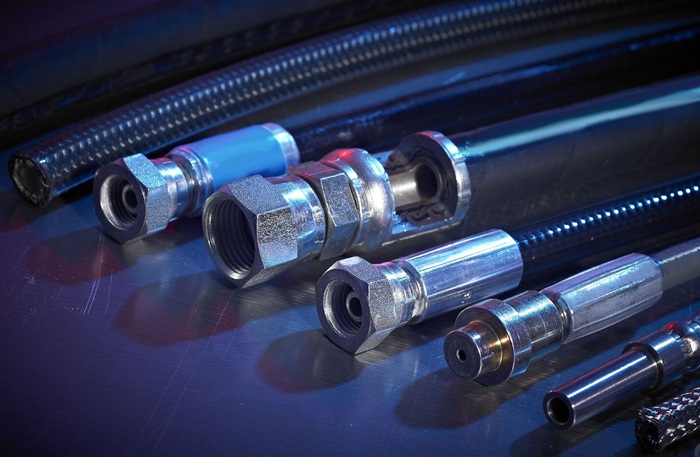
Hydraulic systems use pressurized fluid to transfer power between different components. Hydraulic hoses carry this fluid from one point to another, while hydraulic hose fittings connect the hoses to pumps, valves, cylinders, and other components.
The fittings may look like small components, but they have an important role in the performance of the hydraulic system. If the fitting is not suitable for the hose or the pressure level, it can affect fluid flow and create pressure related problems.
Therefore, we are going to discuss how hydraulic hose fittings affect pressure handling and fluid flow and why choosing the right fitting is important.
How Do Hydraulic Hose Fittings Affect Pressure Handling?
Hydraulic hose fittings must handle the pressure generated inside the hydraulic system. Every fitting has a specific pressure rating, and it must be suitable for the pressure produced by the equipment.
If the fitting cannot handle the system pressure, it can develop leaks or fail during operation. In some cases, the fitting can also separate from the hose when the pressure becomes too high.
Therefore, the pressure rating of the fitting must match the hydraulic system requirements.
Fitting Size and Pressure Handling
The size of the fitting can affect how the hydraulic fluid moves through the system. A fitting with an unsuitable size can restrict the passage available for the fluid.
For example, if the fitting opening is smaller than the hose, the fluid has less space to pass through. This can increase resistance and cause a pressure drop in the system.
Therefore, the fitting size must be compatible with the hose size and the required fluid flow.
How Do Hydraulic Hose Fittings Affect Fluid Flow?
Hydraulic fluid has to pass through the fitting before entering another component. Because of this, the internal design of the fitting can affect the speed and direction of fluid flow.
A fitting with a smooth internal passage allows the fluid to move more freely. On the other hand, a fitting with restrictions inside the passage can increase resistance and reduce the efficiency of fluid movement.
This is why hydraulic hose fittings have to be selected according to the flow requirements of the hydraulic system.
Fitting Shape and Fluid Resistance
Hydraulic systems use different types of fittings according to the installation requirements. Some fittings provide a straight connection, while others change the direction of the hose.
An angled fitting can be useful when there is limited space or when the hose needs to change direction. However, every change in direction can affect the movement of hydraulic fluid.
If the fitting creates too much resistance, the system may experience a pressure drop. This can affect the performance of hydraulic cylinders, motors, and other equipment.
Therefore, the fitting shape must be suitable for the installation and fluid flow requirements.
Incorrect Fitting Can Cause Pressure Loss
A fitting that is too small or unsuitable for the application can create unnecessary pressure loss. The hydraulic pump may still generate the required pressure, but part of that pressure can be lost as the fluid passes through restricted areas.
Because of this, the hydraulic equipment may not perform as expected.
For instance, a hydraulic cylinder may move slower than normal if the fluid flow is restricted. In other cases, the system may require more energy to achieve the same level of performance.
Connection Quality Also Matters
The way the fitting is connected to the hose can also affect pressure handling. A fitting that is not properly connected can allow hydraulic fluid to escape.
You may notice fluid around the connection point or a gradual reduction in system pressure. In severe cases, the connection can fail completely.
Therefore, the fitting must be properly installed onto the hose and connected to the hydraulic component.
How to Choose the Right Hydraulic Hose Fittings?
There are several things that you have to consider when selecting hydraulic hose fittings. The hose size, working pressure, fluid type, temperature, and required flow rate are some of the important factors.
First, check the hose size and choose a compatible fitting. Then, check the working pressure of the hydraulic system and select a fitting that can handle it.
You must also check the fitting material and compatibility with the hydraulic fluid. Using an unsuitable fitting can cause leakage, corrosion, or premature failure.
Conclusion
Hydraulic hose fittings have an important role in controlling pressure handling and fluid flow in a hydraulic system. The fitting size, internal passage, shape, pressure rating, and connection quality can all affect system performance.
A suitable fitting allows hydraulic fluid to move properly while handling the pressure produced by the system. An unsuitable fitting can create restrictions, pressure loss, leakage, and other problems.
Therefore, you have to select hydraulic hose fittings according to the hose size, pressure requirements, fluid type, temperature, and flow requirements of the system. This can help the hydraulic equipment work properly and reduce fitting related problems.