Residential and commercial buildings undergo rather different building restoration procedures. Every kind of property has its own set of rules, design concerns, and difficulties. Whether updating a busy office space or conserving a historic house, the strategy must be in line with the building’s intended use. To achieve successful and long-lasting rehabilitacion de edificios, it is essential to comprehend these differences. This article clarifies every step of the process by examining the variations in a documentary-style narrative.
Rehabilitation in Residential Settings:
In order to improve living areas while maintaining their character, residential structures often need to be renovated. Comfort and aesthetic appeal are given first priority when restoring homes since they are very personal places. Modern technologies are usually integrated by specialists without compromising the traditional appeal of the structure. Structural integrity is taken into consideration, guaranteeing that the house is secure for extended use. In order to maintain authenticity, renovating older houses sometimes entails repairing original elements like stained glass or woodwork.
Rehabilitating Commercial Space:
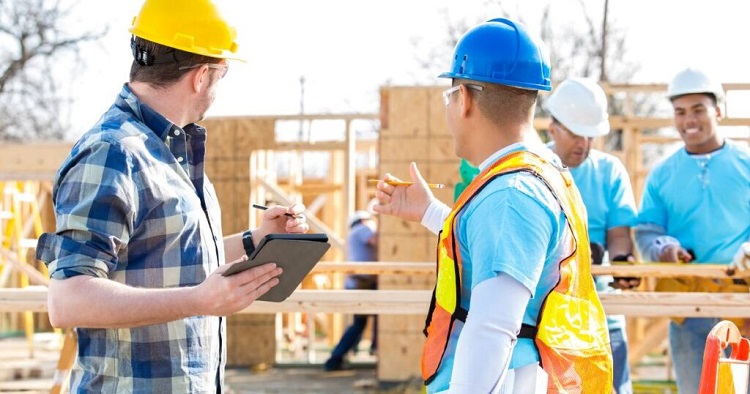
Functionality and adherence to regulations are the driving forces behind commercial building rehabilitation. These areas must quickly comply with safety regulations and support commercial activities. Accessibility features, HVAC, and electrical system modernization are often the top considerations. Designs must adhere to company aesthetics or branding while optimizing usage. Commercial rehabilitations, in contrast to residential ones, often need close collaboration with regulatory authorities, contractors, and tenants.
Resources and Methods:
The kind of building—residential or commercial—often influences the materials and methods used in restoration. For a homey vibe, residential projects may highlight warm, natural materials like plaster and wood. Commercial structures, on the other hand, often use strong, contemporary materials like steel, glass, and reinforced concrete. The methods used to repair structural damage or preserve historic masonry in these two kinds of structures differ significantly. Achieving harmony between sustainability, attractiveness, and durability is the aim.
Regulatory Obstacles and Disparities in Compliance
The regulations governing residential and business rehabilitations are quite different. Stricter safety, accessibility, and zoning laws apply to commercial structures. During business renovations, compliance with energy requirements, occupancy limitations, and fire rules is crucial. Local housing standards and historic preservation requirements are often the subject of restrictions in residential constructions. To prevent delays or fines, meeting these standards calls for careful preparation and cooperation with local authorities.
Project Schedules and Financial Limitations
Budgets and schedules for residential and commercial restoration projects might differ significantly. Residential rehabilitations could go more slowly, allowing for homeowner participation and customisation. In contrast, commercial initiatives follow strict timelines to minimize interruptions to corporate operations. Due to the wider scope and greater expense of materials, budgetary restrictions are also more noticeable in commercial production. However, for both to be effective, careful preparation is necessary.
Conclusion
Building restoration necessitates a sophisticated strategy that takes into account the unique requirements of both residential and commercial establishments. Whereas commercial ventures prioritize legality and functionality, residential ones prioritize comfort and tradition. Each kind has certain requirements, which are reflected in the materials, methods, and schedules used. Knowing these differences guarantees a careful and efficient restoration procedure, whether renovating a residence or a business.
Read More Here:
Why Does Urban Development Need Building Rehabilitation
Why Is Rehabilitation Necessary for Older Structures Rather Than Demolition
Which Materials Are Used in the Rehabilitation of Modern Buildings
How Does Building Rehabilitation Contribute to Historic Preservation